ERNIE Image vs Midjourney: Which AI Image Generator Wins in 2026?
Updated: April 2026 | Reading time: 16 min | Author: ERNIE Image Team
Bottom line up front: If you need legible text inside images, API access, web-first workflow, or commercial use without subscription dependency, ERNIE Imagewins clearly. If your only goal is top-tier expressive art output and cost is secondary, Midjourney still leads.
Quick Answer: Which Is Better?
They serve different use cases rather than competing directly.
Choose ERNIE Image if you:
- Need readable text in images for banners, labels, posters, and comics.
- Need free access and web-first workflow.
- Need API integration or self-hosting options.
- Need open licensing (Apache 2.0) for commercial workflows.
- Need strong EN + ZH bilingual generation quality.
Choose Midjourney if you:
- Prioritize expressive art aesthetics over strict brief accuracy.
- Are already embedded in Discord-centered creative workflow.
- Value community feedback loops and style-driven iteration culture.
Jump to Your Question
| Your question | Section |
|---|---|
| Is ERNIE Image a free alternative to Midjourney? | Pricing |
| Readable text in generated images? | Text in Image |
| Alternative without Discord? | Ease of Use |
| Need API for product integration? | API |
| Need self-hosted option? | Self-Hosting |
What Is ERNIE Image vs Midjourney?
ERNIE Image
ERNIE Image is a recently released open-source AI image generator by Baidu's ERNIE-Image Team. It is optimized for text legibility in images, layout control, and native English-Chinese workflows. It includes SFT and Turbo variants and ships with Apache 2.0 licensing plus self-hosting support.
Midjourney
Midjourney is a closed-source model-first product launched in 2022 with a Discord-first workflow and later web expansion. It remains a top aesthetic benchmark for expressive stylized output, but has no public API, no open weights, and no self-hosting path.
Full Feature Comparison Table
| Feature | ERNIE Image | Midjourney |
|---|---|---|
| Free tier | Yes, no card required | No |
| Open source | Apache 2.0 | Closed source |
| Self-hosting | Yes | No |
| API | Yes | No public API |
| Text-in-image | LongTextBench 0.9733 | Not primary focus |
| Artistic style ceiling | Strong | Very strong |
| Workflow | Web app | Discord-first + web |
| Bilingual EN + ZH | Native parity focus | English-first |
Pricing Comparison
Midjourney currently requires a paid subscription starting at $10/month, with usage gated by plan limits. For teams looking for a free, commercially usable alternative, ERNIE Image provides a free tier without credit card gating, plus pay-as-you-go credit packs for higher volume and API workflows.
ERNIE Image offers more flexible pricing, while Midjourney relies on subscriptions.
Image Quality Comparison
Where Midjourney Performs Better
Midjourney remains stronger on style-first expressive output: surreal visuals, painterly mood, and atmospheric aesthetics where strict prompt obedience is less important than visual impact.
Where ERNIE Image Performs Better
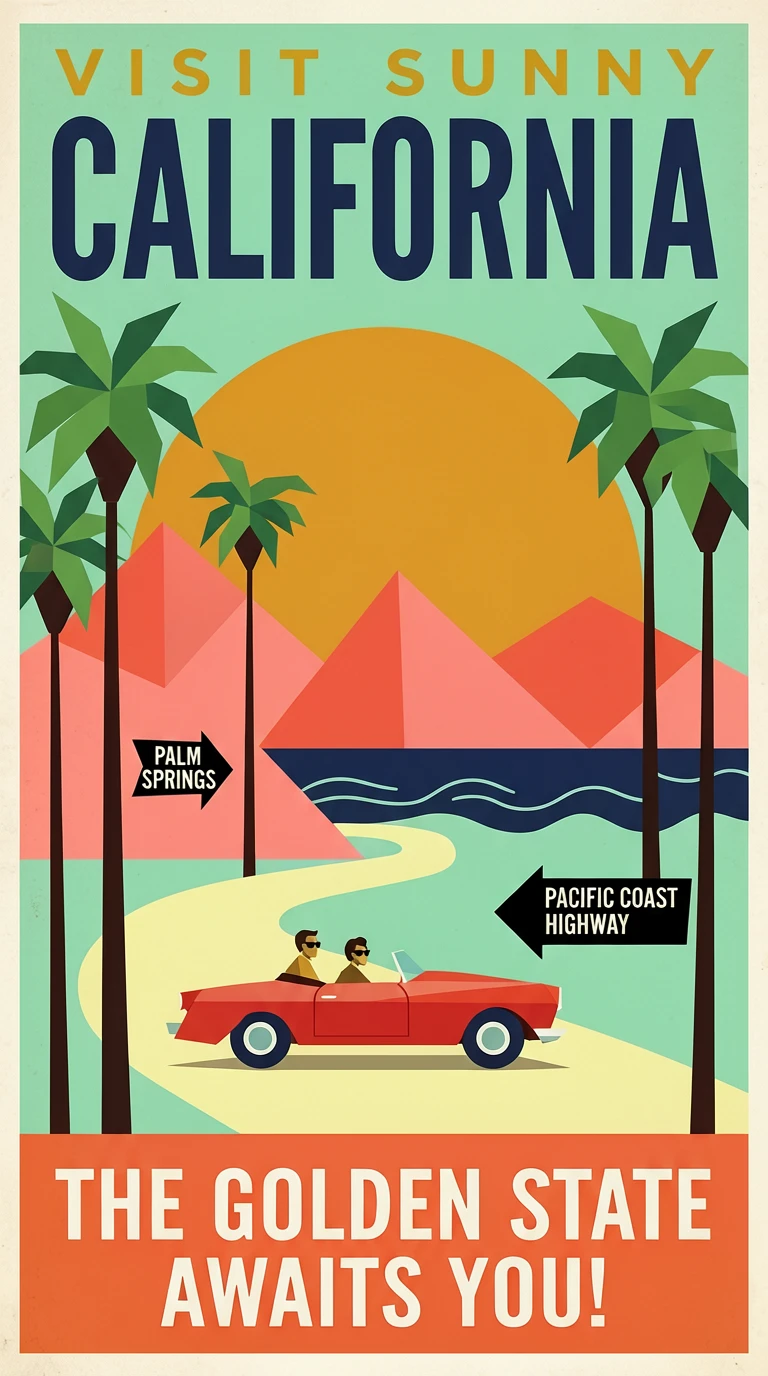
ERNIE Image performs better in structured production contexts: layout constraints, text-bearing assets, product visuals, and brief-accurate marketing outputs. You can browse high-quality image examples in our gallery.
Why Text Rendering Matters in AI Image Generators
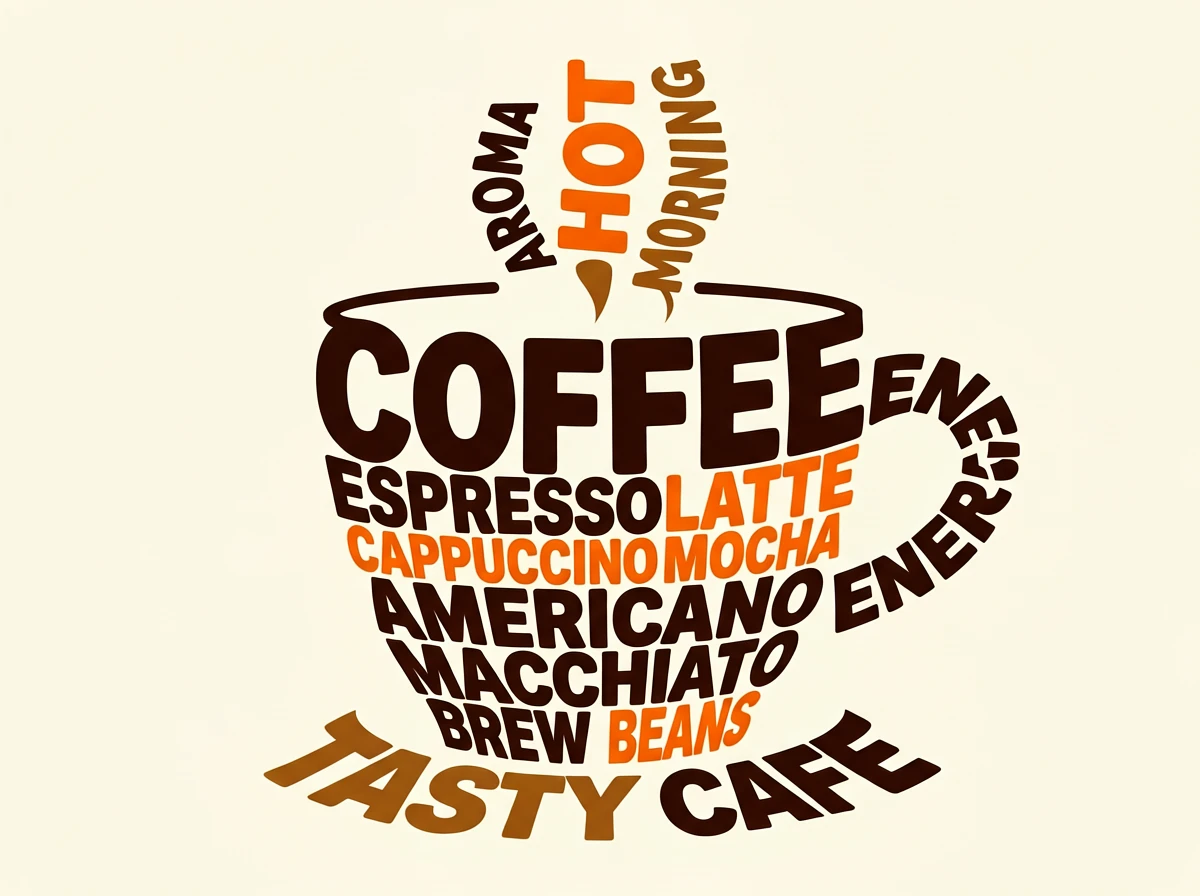
Text rendering is one of the clearest operational differences. Midjourney can still produce inconsistent spelling and symbol distortion in text-heavy assets. ERNIE Image was engineered specifically for this and scores 0.9733 on LongTextBench.
- Poster headlines and subtext
- Product labels and packaging copy
- Comic speech bubbles
- Infographic labels and callouts
- Mixed English-Chinese text in one composition
Ease of Use: Web App vs. Discord
Midjourney remains culturally Discord-first. ERNIE Image is a standard web-app workflow with lower onboarding friction for teams and non-Discord users.
ERNIE Image also includes a built-in Prompt Enhancer, which helps non-experts get useful outputs quickly without learning a parameter-heavy prompt style. For a deeper dive into crafting inputs, see our ERNIE Image prompt guide.
Speed Comparison
Turbo enables faster iteration cycles, while Midjourney speed varies based on queue and plan. ERNIE Image Turbo mode uses 8-step distilled inference, producing results suitable for rapid ideation in a fraction of the time required by full-quality generation. This matters in professional workflows where designers need to evaluate 10–20 prompt variations per session rather than waiting on a slow queue.
Midjourney speed depends on subscription tier and server load — fast mode uses GPU priority but is quota-limited, while relax mode can introduce unpredictable delays. For time-sensitive production contexts such as campaign deadlines or client review cycles, ERNIE Image's consistent Turbo performance provides a more predictable workflow foundation.
ERNIE Image Standard mode (50-step) delivers maximum output quality when needed, while Turbo mode handles early-stage concepting — giving teams the ability to calibrate generation depth based on their current workflow phase.
API & Developer Access
Midjourney does not currently offer a public API available at the time of writing. That limits it to manual usage workflows and prevents integration into automated product pipelines, batch content systems, or headless generation workflows.
ERNIE Image provides REST API access for developers building image generation into their applications. This enables use cases such as automated product listing image generation, dynamic marketing asset pipelines, and content creation tools where images are generated programmatically at scale. The Apache 2.0 open-source license also means teams can deploy self-hosted inference to maintain full control over rate limits, data privacy, and infrastructure cost.
For product teams evaluating AI image generation as infrastructure rather than a creative tool, the availability of a public API is a non-negotiable requirement that immediately eliminates Midjourney as a viable option.
Commercial Licensing & Open Source
Midjourney commercial rights are tied to paid subscription status and plan terms. ERNIE Image rights come from Apache 2.0: free commercial use, self-hosting, redistribution, and fine-tuning are allowed without tier gating.
This distinction matters for agencies and independent creators who need to use generated images in client deliverables without worrying about subscription lapses invalidating their commercial rights. Under Apache 2.0, ERNIE Image outputs can be used in any commercial context — advertising, packaging, editorial illustration, product design — without attribution requirements or revenue thresholds.
For organizations building ERNIE Image into their own products or internal tools, the Apache 2.0 license also permits fine-tuning on proprietary datasets and redistribution of modified model weights — capabilities that closed-source alternatives like Midjourney cannot offer.
Bilingual Support (English + Chinese)
ERNIE Image is designed for EN + ZH parity and reports a narrow benchmark gap between the two languages. For bilingual campaigns and mixed-script design assets, it is more reliable than English-first models.
This is particularly relevant for brands operating across Chinese-speaking markets where campaign assets need to present both English and Chinese copy within the same visual. ERNIE Image can render bilingual poster headlines, product label copy, and infographic text in a single generation — a workflow that would otherwise require separate generation runs plus compositing in external design tools.
Midjourney is optimized primarily for English prompts and does not offer native parity for Chinese-script text rendering. Teams working in bilingual markets or producing content for global campaigns that include Chinese-language assets will find ERNIE Image significantly more capable for this specific workflow.
Self-Hosting: Can You Run It Locally?
Midjourney cannot be self-hosted. ERNIE Image can be deployed locally from open weights, with official guidance around 24 GB VRAM setups and common deployment tooling such as Diffusers and SGLang.
Self-hosting ERNIE Image provides complete control over data privacy, inference cost, and rate limiting — which is critical for enterprise deployments where images may contain sensitive product data or proprietary design briefs that should not be transmitted to external cloud services.
Development teams can also fine-tune ERNIE Image on proprietary datasets to improve output quality for specific use cases — for example, training on a brand's existing product photography to improve consistency across AI-generated product imagery. This level of infrastructure control is simply not available with Midjourney's closed-source, cloud-only architecture.
Use Case Breakdown: Who Should Use Which
Digital artists and illustrators: Midjourney
For expressive style-first work, Midjourney still has the aesthetic edge.
Marketers and content teams: ERNIE Image
Text legibility, layout obedience, and API integration are practical advantages.
Developers and product teams: ERNIE Image
Public API plus self-hosting makes it infrastructure-ready.
Budget-constrained learners: ERNIE Image
Free tier access lowers entry barrier materially.
Choose ERNIE Image for production workflows, and Midjourney for artistic exploration.
Where Midjourney Performs Better
- Higher ceiling for pure expressive artistic output
- Very large community and prompt-sharing ecosystem
- Mature style-iteration culture for art-focused users
- Stronger brand recognition among creative agencies
FAQ
Is ERNIE Image a free alternative to Midjourney in 2026?
Yes. ERNIE Image has a free tier with no card requirement. Midjourney requires paid subscription from first use.
Can I use ERNIE Image commercially for free?
Yes. Apache 2.0 permits commercial use of both weights and outputs.
Does Midjourney have a public API?
No public API is available at the time of writing. ERNIE Image provides REST API access.
Which is better for posters and graphic design?
ERNIE Image is generally better due to stronger text-in-image reliability and layout consistency.
Pricing and plan details can change over time. Verify Midjourney terms on official plan pages and confirm ERNIE Image benchmark references against the model card.